Online Poker Tournaments Down Under: What to Expect
If you’re scanning the leaderboard from a lounge chair in Wollongong and wondering where the real action sits, you’ve probably already noticed how crowded the field has become. Players across the eastern seaboard are logging in after work, chasing a seat at a late-night freezeout while the harbour wind rattles the window. The promise of sitting down to play poker tournaments online sounds straightforward until you realise every operator is selling a slightly different version of the same experience. This read breaks down what actually separates a decent tournament platform from a noisy one, with an analytics-first eye on structure, bankroll pressure, and the little details that decide whether a site earns a second session or gets closed after one bad run.
How the tournament floor is built
A poker room’s identity usually shows up before the first card is dealt. The stronger operators keep their lobby clean, group similar buy-ins together, and make the schedule readable without hunting through tabs. The weaker ones stack flashy banners over a muddled calendar and hope you’ll click before you compare. When you play poker tournaments online with a clear sense of what you want – short structure, deep-stack slow rolls, or a mixed schedule that runs through the arvo – you can separate the noise from the actual product quickly.
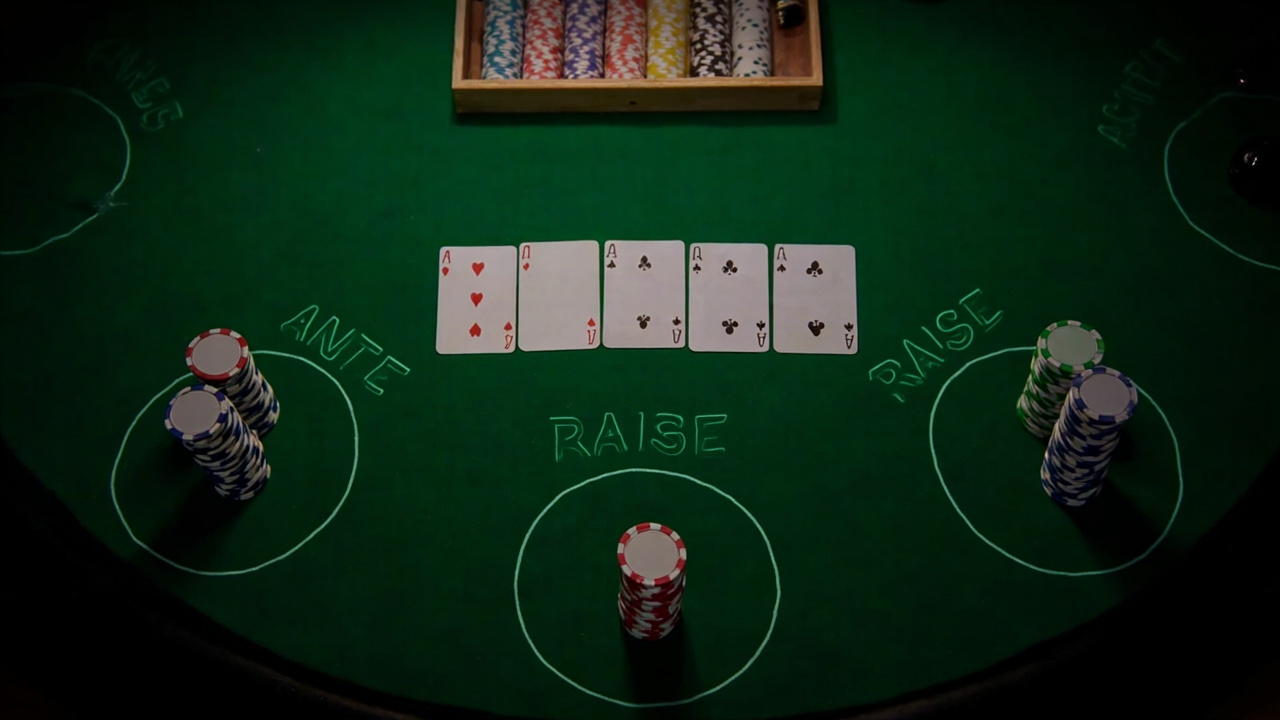
Two or three traits tend to mark a room that holds up over time. First is the mix of providers and formats, because a single skin with five identical sit-and-gos is just a prettier way to burn through your bankroll. Second is the everyday usability: lobby speed, filter logic, and whether the rebuy window actually matches the advertised pace rather than the fine print. Third is how the site handles the grind between events, especially if you’re hopping from a quick nine-max to a multi-table grind on the same evening. That’s the kind of detail a regular notices before the first hand is dealt.Reddit
What the numbers actually tell you
Structure is where most players overpay without noticing. A room that advertises “fast” tournaments often means blind levels that climb before you’ve had a chance to see a flop, and that changes the whole strategy profile. Eliza Bennett, Lead Gaming Analyst, Pacific Wager Analytics, puts it plainly: “A lot of players chase the advertised guarantee and ignore the level length, which is where the real cost sits.” That’s a useful caution because a steep schedule can turn a modest buy-in into a rapid tilt session if you’re not tracking your own rhythm.
Payout shape matters just as much as the blind clock. A flat top-heavy structure can feel generous on paper while leaving mid-stack players with almost nothing to fight for after the first break. Mia Harris, Commercial Director, Southern Reef Gaming, notes that “the sites that keep players coming back usually publish a payout curve that makes sense for the field size, not just the headline prize.” Read that as a reminder to check how many places get paid before you commit to a rebuy, especially in a field that’s packed tighter than a Melbourne tram on AFL Grand Final day.
The practical side of play poker tournaments online also comes down to how the room handles the boring stuff between hands. Currency display, deposit limits, and the timing of bonus credits all affect how you manage a session. A clear bonus mechanic should spell out wagering expectations and tournament-eligible conditions instead of hiding them behind a vague welcome line. Payment options that settle quickly and show up in the right currency save you from the kind of friction that turns a good evening into a chase for missing credits. Mobile access is worth checking too, because a lobby that looks fine on a desktop can become a thumb-friendly mess on a phone if the filters are cramped or the buy-in buttons sit too close together.Theaustralianinstitute
Support and loyalty usually separate a forgettable room from one you return to after a rough session. Responsive help that actually answers a locked-account question or a pending withdrawal query is worth more than a loyalty badge that never unlocks anything useful. A decent points scheme should feel like a small reward for showing up regularly, not a maze of tiers that only matters once you’ve already spent a fortune. None of this changes the fact that outcomes are still driven by variance, skill, and the luck of the draw, but it does change how much control you keep over your own session.
Who this actually suits
This style of play suits someone who wants a scheduled event with a clear buy-in, a readable payout structure, and enough variety to pick a format that matches their bankroll rather than their ego. It’s less friendly to players who treat every freezeout like a coin toss and then wonder why a short stack disappears before the first break. If you’re comfortable tracking blind levels, choosing fields where you know the pace, and leaving before a bad run turns into a rescue attempt, the tournament floor can be a sensible way to spend an evening.

It’s also worth being direct about the local context: online casino play is not licensed or regulated in Australia, so anyone looking to play poker tournaments online is relying on the operator’s own terms, the jurisdiction it operates under, and how carefully you read the conditions before depositing. That’s not a dramatic warning, just a practical one – check the rules, check the payout shape, and don’t assume the lobby layout is the same as the rules that govern your session.
A final read on fit
If you want a room that makes the schedule legible, keeps the payout curve honest, and doesn’t hide the boring details behind a shiny banner, the better operators are easy to spot once you stop chasing the loudest welcome offer. The ones worth a second look are the rooms where the structure, luckygreencasinowin.com currency, and support all line up with how you actually play, not just how the homepage looks on a quiet Sunday morning.details in woo casino review